
After a long day, few rituals are as simple and comforting as a warm cup of herbal tea. Across Europe, herbs such as lavender, lemon balm, lime blossom and chamomile have been traditionally enjoyed as part of relaxing evening routines for generations.
Herbal teas for relaxation are also naturally caffeine-free, making them a popular alternative to black tea, coffee or other caffeinated drinks later in the day.
In this guide, we’ll look at five traditional herbal choices, what makes each herb distinctive, how they taste and how to enjoy them as part of your own evening routine.
Why Herbal Tea Is So Popular in the Evening
There is more to an evening herbal tea than what’s in the cup.
The simple ritual of boiling the kettle, preparing the herbs and taking a few quiet minutes to enjoy a warm drink can provide a natural pause at the end of a busy day. Many traditional European herbal teas have long been associated with relaxation and winding down.
Another advantage is that most single-herb infusions such as lavender, lemon balm, lime blossom and chamomile are naturally caffeine-free. This makes them particularly suitable for people who want a warm drink in the evening without the caffeine found in ordinary tea or coffee.
Of course, the best herbal tea for you ultimately comes down to the herb’s traditional character, flavour and how you like to enjoy it.
1. Lavender: Fragrant and Floral
Lavender (Lavandula angustifolia) is perhaps one of the most recognisable relaxing herbs. Its distinctive floral aroma has made it a favourite in European herbal traditions for generations, where lavender has traditionally been associated with relaxation and calm.
As a tea, lavender has a delicate floral flavour with slightly sweet and aromatic notes. It can be enjoyed on its own or combined with other herbs when a more rounded evening infusion is preferred.
Because lavender is quite aromatic, you do not need a large amount to make a flavourful cup.
Try it: Elixir Lavender Herbal Tea contains pure dried lavender flowers from Slovakia.
For a simple infusion, use around one teaspoon of dried lavender per cup, cover and leave to steep for approximately 10–15 minutes.
2. Lemon Balm: Fresh, Lemony and Traditionally Calming
Lemon balm (Melissa officinalis) is a member of the mint family and has been grown in European gardens for centuries. Its fresh lemon scent and gentle citrus flavour make it one of the most approachable herbs for an evening cup.
In traditional European herbal practice, lemon balm has long been valued for its calming and relaxing qualities. It has traditionally been used in herbal preparations intended to help people unwind and settle down after a busy day.
Unlike some strongly flavoured herbs, lemon balm makes a pleasant everyday infusion, with a naturally refreshing taste that works equally well hot or chilled.
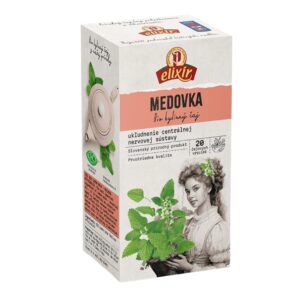
Try it: Elixir Lemon Balm Herbal Tea contains lemon balm in convenient plastic-free tea bags.
If you take medication, particularly medicines that can cause drowsiness or medicines affecting the thyroid, ask your doctor or pharmacist whether lemon balm is suitable for you.
3. Lime Blossom (Linden): A Traditional European Favourite
Lime blossom, also known as linden, comes from the flowers of lime trees such as Tilia cordata. In Central and Eastern Europe, lime blossom tea has been a familiar household herbal infusion for generations.
The flowers have a naturally delicate, sweet and honey-like aroma. Traditionally, lime blossom has been used in soothing herbal preparations and enjoyed as a warm drink during periods when people want to relax and unwind.
It is particularly popular in Central European herbal traditions, where dried lime blossom is commonly prepared as an infusion.
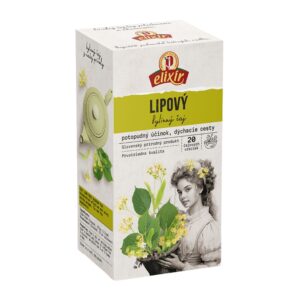
Try it: Elixir Linden Tea combines lime blossom with meadowsweet. It is also available as loose Linden Tea.
Because this blend contains meadowsweet, which naturally contains salicylates, it is not suitable for people who are sensitive to aspirin. It should also be avoided by children under 16 and during pregnancy or breastfeeding unless advised otherwise by a healthcare professional.
4. Chamomile: The Classic Bedtime Herbal Tea
Chamomile (Matricaria chamomilla) is one of Europe’s best-known herbal teas and has been enjoyed for generations as a gentle evening infusion.
The small daisy-like flowers produce a soft, slightly sweet flavour with apple and honey-like notes. Chamomile has traditionally been associated with relaxation and is particularly well known as a bedtime herbal tea.
Its popularity is not difficult to understand: it is mild, naturally caffeine-free and easy to drink on its own.
Chamomile belongs to the daisy family (Asteraceae), so anyone with an allergy to plants in this family should take care when consuming it.
Try it: our Elixir Tatry Herbal Tea combines chamomile with thyme, peppermint and mallow. The blend takes its name from the High Tatras mountains of Slovakia and brings together several traditional European herbs in one infusion.
5. A Traditional Herbal Blend: St John’s Wort, Lemon Balm and Lavender
If you prefer a more complex herbal flavour, a traditional blend can combine several herbs with different aromas and characteristics.
Our Elixir Calming Herbal Tea combines St John’s wort, yarrow, lavender, lemon balm and oregano. Known in Slovakia as Ukľudňujúci svätojánsky čaj, it is a traditional-style herbal blend intended to be enjoyed as part of a relaxing routine.
The combination gives the tea a more complex herbal character than a single-herb infusion, with floral notes from lavender and a fresh character from lemon balm.
Important: St John’s Wort and Medicines
St John’s wort (Hypericum perforatum) deserves special attention because it can interact with a number of medicines.
These interactions can include medicines such as hormonal contraceptives, antidepressants, anticoagulants and several other prescription or over-the-counter medicines.
If you take any medication, speak to your doctor or pharmacist before consuming a herbal tea containing St John’s wort.
How to Brew a Relaxing Herbal Tea
Getting the most from herbal tea is simple:
- Use one tea bag or around one teaspoon of loose herbs per cup.
- Pour over approximately 200ml of freshly boiled water.
- Cover the cup while the herbs infuse. This helps retain the aromatic compounds released by herbs such as lavender and lemon balm.
- Allow the tea to infuse for around 10–15 minutes. Herbal infusions generally benefit from a longer steeping time than ordinary black tea.
- Enjoy it warm. You can add a little honey or lemon if you prefer.
Covering the cup while the tea steeps is particularly useful with aromatic herbs because some of their volatile oils can otherwise escape with the steam.
Making Herbal Tea Part of Your Evening Routine
A relaxing herbal tea can be even more enjoyable when it becomes part of a regular wind-down ritual.
Try preparing your tea at roughly the same time each evening, dimming the lights, putting your phone aside and giving yourself ten or fifteen quiet minutes while the herbs steep.
The NHS recommends reducing caffeine later in the day as part of good sleep habits. Choosing a naturally caffeine-free herbal infusion can therefore be a simple way to replace a late cup of ordinary tea or coffee.
The tea itself does not need to be complicated. Sometimes the value is simply in creating a small pause between a busy day and a quieter evening.
Frequently Asked Questions
What is the best herbal tea for relaxation?
There is no single best choice for everyone. Different herbs have different traditional uses, flavours and aromas.
Lavender is particularly aromatic and floral, lemon balm has a fresh lemon flavour, lime blossom is delicate and honeyed, while chamomile is a mild and classic evening infusion.
If you prefer a blend, Elixir Calming Herbal Tea combines several traditional herbs, including lavender and lemon balm.
Are herbal teas for relaxation caffeine-free?
Most single-herb relaxation teas such as lavender, lemon balm, lime blossom and chamomile are naturally caffeine-free.
This is one reason they are popular in the evening, particularly as an alternative to caffeinated tea or coffee.
Can I drink herbal tea before bed?
Many people enjoy a caffeine-free herbal tea as part of their evening or bedtime routine.
However, drinking a large amount of any liquid immediately before going to bed may mean you need to get up during the night.
Which herbal tea is traditionally used for calming?
Several European herbs have a long history of traditional use in calming and relaxing herbal preparations. Lemon balm, lavender, chamomile and lime blossom are among the best-known examples.
Traditional use should not be confused with a medical claim: herbal tea is not a substitute for professional medical advice or treatment.
Are these teas suitable for children?
Adult herbal teas are not necessarily suitable for children.
For younger family members, choose a product specifically formulated for children and follow the age guidance provided on the packaging. Our Children’s Evening Herbal Tea is one option designed specifically for younger tea drinkers.
Who should avoid these herbal teas?
Herbal products are not automatically suitable for everyone.
If you are pregnant or breastfeeding, take prescription or over-the-counter medication, have a medical condition, or have known allergies, check with your doctor or pharmacist before consuming herbal teas.
Particular care is needed with:
- St John’s wort, which can interact with many medicines.
- Chamomile and yarrow, which belong to the daisy family and may cause problems for people with relevant plant allergies.
- Meadowsweet, which naturally contains salicylates and may not be suitable for people who are sensitive to aspirin.
Explore Our Traditional Herbal Teas
Whether you prefer a single herb or a traditional blend, herbal tea is a simple way to explore the flavours and traditions of European herbal practice.
All our herbal teas are imported from Slovakia. From fragrant Slovakian lavender and fresh lemon balm to honeyed lime blossom and classic chamomile, each herb offers its own distinctive character.
Explore our range of herbal teas and discover a new favourite for your evening cup.
- Evening & Relaxation
Elixir Lemon Balm Herbal Tea – Melissa officinalis (20 Tea Bags, 40g)
£3.99 Add to basket
Related Reading
- Slovakian Herbal Tea: From Mountain Meadow to Your Cup
- Kidney and Bladder Herbal Teas: A Guide to Traditional Urological Blends
- Detox Herbal Tea and Lymph Tea: The European Spring Tradition
- Bronchial Herbal Teas: Traditional Blends for the Colder Months
This article describes the traditional uses and characteristics of herbs and is provided for general information only. Our products are herbal teas, not medicines, and are not intended to diagnose, treat, cure or prevent any disease or medical condition. Traditional use does not necessarily mean that a particular effect has been scientifically proven. If you are pregnant, breastfeeding, taking medication, have a medical condition, have known allergies, or are unsure whether a tea is suitable for you or your child, please speak to your doctor or pharmacist before consuming it.
Comments are closed.