
There is something special about a herbal tea that has a genuine sense of place.
Our herbal teas come from Slovakia, a country with a long tradition of gathering, growing and preparing herbs. The teas we sell are produced by Agrokarpaty in eastern Slovakia, using herbs associated with the Pieniny, Spišská Magura and High Tatras regions.
Some of the teas in our range are certified organic under the European organic certification system, with the relevant certification information shown on the product packaging. They are also made without artificial flavours, colours or aromas.
So what makes Slovakian herbal tea different? Let’s take a closer look at the herbs, traditions and production behind the cup.
A Landscape Made for Herbs
Slovakia may be a relatively small country, but much of its landscape is made up of mountains, forests and meadows. The Pieniny and Spišská Magura regions in the north-east are particularly associated with a rich tradition of medicinal and culinary herbs.
Our teas are made by Agrokarpaty, based in the village of Plavnica in eastern Slovakia. The company describes itself as Slovakia’s largest grower of medicinal herbs.
Herbs found throughout Slovak herbal traditions include chamomile, yarrow, nettle, lime blossom, thyme, mint and many others.
These plants have traditionally been gathered and dried for use throughout the year, forming part of the everyday herbal culture of the region.
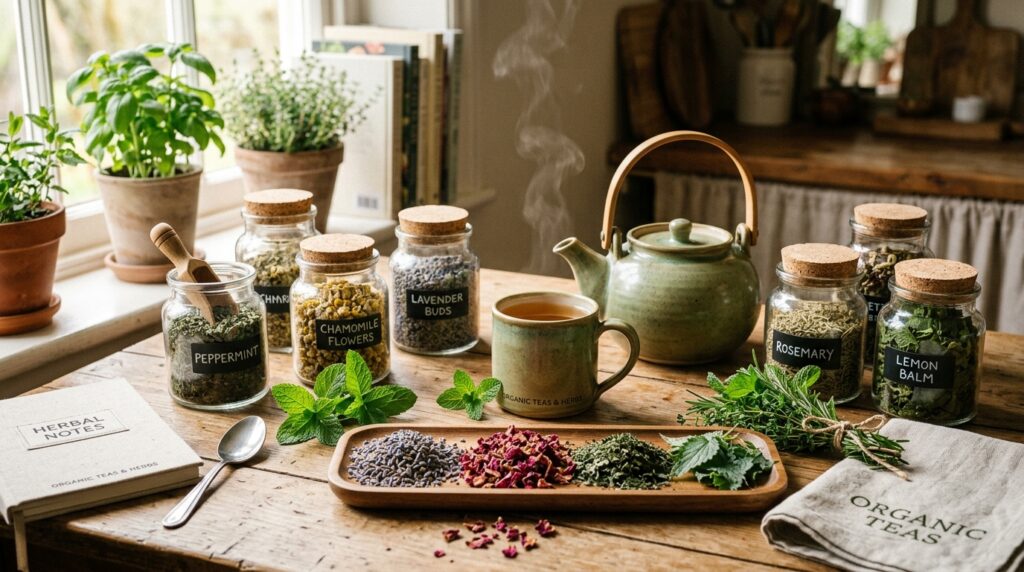
Organic Herbal Tea from Slovakia
One of the things we particularly value about several of the teas we sell is their certified organic status.
The organic products in our range are certified under the European organic-control system. This is different from simply describing a tea as “natural” or “organic” in marketing copy: certified organic products are subject to the applicable organic production and certification requirements, with the certification details shown on the product packaging.
For customers looking for certified organic herbal tea, checking the organic logo and certification code on the packaging is an important part of knowing what they are buying.
You can find the certification information on the individual product packaging.
Our range includes organic single-herb teas such as organic nettle herbal tea and organic pot marigold tea, alongside the organic sea buckthorn & rosehip fruit tea.
A Centuries-Old Herbal Tradition
In Slovakia, herbal tea isn’t simply a modern wellness trend. Herbs have traditionally been gathered, dried and prepared by families for generations.
People traditionally collected herbs during the growing season and dried them for use during the colder months. Different regions developed their own favourite plants and blends, and many of these herbs remain familiar in Slovak households today.
That tradition can still be seen in the Agrokarpaty range, from single herbs such as stinging nettle and lavender to classic preparations such as linden (lime blossom) tea.
The herbs are not just ingredients on a label. They are part of a much older European tradition of using plants for food, flavour and traditional herbal preparations.
Brother Cyprian and the Herbal Tradition of the Pieniny
One particularly interesting part of Slovak herbal history is Brother Cyprian.
Brother Cyprian (1724–1775) was a monk and herbalist associated with the Red Monastery in the Pieniny region. He is remembered for his knowledge of plants and their traditional uses, and his name remains closely connected with the herbal heritage of the area.
Agrokarpaty’s Cyprian’s Apothecary range takes its inspiration from this local herbal tradition.
It is a fascinating reminder that Slovakia’s relationship with medicinal and aromatic plants goes back much further than today’s popularity of herbal teas.
Grown, Dried and Packed in Slovakia
The teas we sell are produced in Slovakia, close to the region whose herbal traditions inspired them.
The ingredients are recognisable plant materials such as leaves, flowers, roots and berries. Many products list the individual herbs using both their common and Latin botanical names, making it easier to understand exactly what is in the blend.
For anyone interested in herbal teas, this can be useful because different parts of the same plant can have quite different characteristics.
A cup of dried lime blossom, for example, is very different from a cup made from nettle leaves or rosehip fruit.
Nothing Added: The Herbs Provide the Flavour
Our Agrokarpaty teas are made without artificial flavours, artificial colours or artificial aromas.
That means the character of the tea comes from the plants themselves.
Lime blossom has a naturally delicate, honey-like aroma. Nettle has a fresh, green character. Lavender is intensely floral, while wild thyme has a distinctive aromatic flavour.
Blended teas bring several of these characteristics together to create more complex infusions.
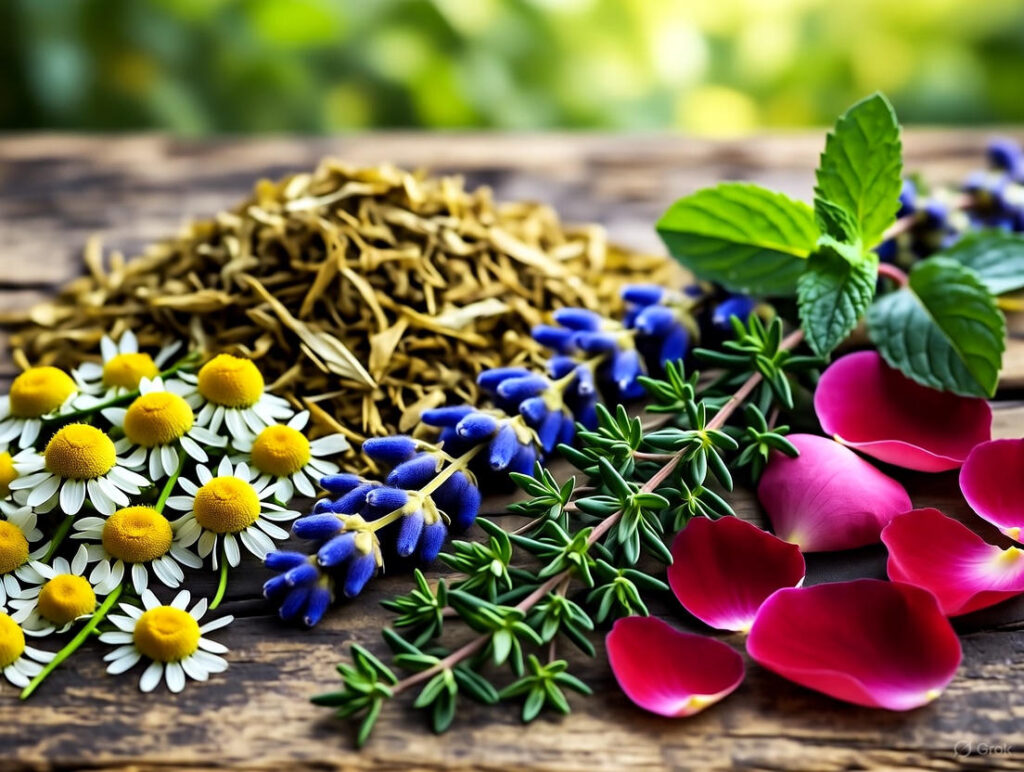
Plastic-Free, Unbleached Tea Bags
The tea bags in our range are plant-based, unbleached and plastic-free.
Instead of plastic mesh, the bags are made from plant fibres, allowing you to enjoy the convenience of a tea bag while avoiding plastic in the bag itself.
For customers who prefer loose herbs, we also stock selected teas in loose-leaf and loose-herb formats.
What to Look for When Choosing Organic Herbal Tea
If you’re looking for a good herbal tea, there are several things worth checking.
1. Look for recognised organic certification
If a product is described as certified organic, look for the appropriate organic logo and certification information on the packaging. This is more meaningful than simply using the word “organic” as a marketing description.
2. Check the ingredient list
A good herbal tea should clearly tell you which plants it contains. Ideally, you should also be able to identify the botanical names and the part of the plant used.
3. Check where the herbs come from
The origin of the ingredients can be particularly interesting with herbal tea. Slovakian herbs, for example, form part of a distinctive Central European herbal tradition.
4. Check for added flavourings
Some herbal teas use added flavourings to create a particular taste. If you prefer the natural character of the plants themselves, look for teas made without artificial flavours, colours or aromas.
5. Check the tea bag
If environmental considerations matter to you, check whether the tea bag itself contains plastic and whether it is bleached.
6. Read the preparation and safety information
Herbal teas are natural products, but natural does not automatically mean suitable for everyone. Follow the preparation instructions and pay attention to any warnings on the packaging, particularly if you are pregnant, breastfeeding or taking medication.
Frequently Asked Questions
Are your Slovakian herbal teas organic?
Some of them are. Our certified organic teas include stinging nettle, pot marigold and sea buckthorn & rosehip. They are certified organic under the European organic certification system, with the relevant certification information shown on the product packaging.
We don’t use “organic” simply as a general description: where a product is certified organic, the applicable certification information is provided on the packaging.
Where are your herbal teas grown?
Our teas are produced by Agrokarpaty in Plavnica, eastern Slovakia, using herbs grown and gathered in the Pieniny, Spišská Magura and High Tatras region.
The precise origin can vary between individual herbs and products, so the product packaging and ingredient information should be checked for the details of a particular tea.
Who is Agrokarpaty?
Agrokarpaty is a Slovak herbal tea producer based in Plavnica in eastern Slovakia. The company describes itself as Slovakia’s largest grower of medicinal herbs.
Its teas are sold under the Elixir label, including the Cyprian’s Apothecary range.
Are your tea bags plastic-free?
Yes. Our tea bags are plant-based, unbleached and plastic-free.
Do your herbal teas contain caffeine?
Most of our herbal teas are naturally caffeine-free.
However, some blends contain ingredients such as green tea or pu-erh, which naturally contain caffeine. Always check the individual product description and ingredient list if caffeine is important to you.
What is the most popular Slovakian herbal tea?
Lime blossom (linden) and chamomile are among the familiar traditional herbal teas enjoyed in Slovakia. The linden is regarded as Slovakia’s national tree; read its story in our guide to linden and elderflower tea. Other popular ingredients include rosehip, nettle, mint, thyme and various forest fruits.
Our Fruit Tea Selection is a convenient way to explore several different Slovakian fruit-tea flavours.
What makes Slovakian herbal tea special?
For us, it’s the combination of place, tradition and the herbs themselves.
Slovakia has a long-standing herbal tradition, and many of the plants used in its teas are familiar throughout Central European herbal practice. When those herbs are grown, processed and packed in Slovakia, the finished tea has a genuine connection to that tradition.
Discover Our Slovakian Herbal Teas
Explore our collection of Slovakian herbal teas, including certified organic single-herb infusions, traditional blends, fruit teas and teas inspired by the herbal heritage of the Pieniny and High Tatras.
Whether you’re looking for fragrant lavender, traditional lime blossom, organic nettle, a warming herbal blend or a selection of Slovakian fruit teas, there’s plenty to discover.
Explore our range and bring a little taste of Slovakia to your teapot.
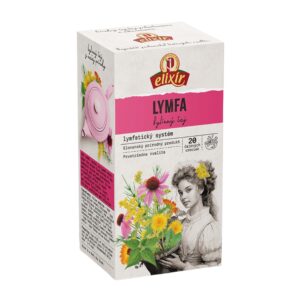
- Lymphatic System
Elixir Lymph Herbal Tea – Lady’s Bedstraw, Burdock & Echinacea (20 Tea Bags, 40g)
£4.99 Add to basket
Related Reading
- The 5 Best Herbal Teas for Relaxation
- Kidney and Bladder Herbal Teas: A Guide to Traditional Urological Blends
- Detox Herbal Tea and Lymph Tea: The European Spring Tradition
- Bronchial Herbal Teas: Traditional Blends for the Colder Months
- Linden and Elderflower Tea: Europe’s Classic Winter Infusions
This article describes the traditional uses, history and characteristics of herbs and is provided for general information only. Where products are described as certified organic, this refers to the applicable European organic certification shown on the product packaging. Our products are herbal teas, not medicines, and are not intended to diagnose, treat, cure or prevent any disease or medical condition. Traditional use does not necessarily mean that a particular effect has been scientifically proven. If you are pregnant, breastfeeding, taking medication, have a medical condition, have known allergies, or are unsure whether a tea is suitable for you or your child, please speak to your doctor or pharmacist before consuming it.