
When winter settles over the High Tatras, Slovak kitchens turn to an old favourite: a warm pot of bronchial herbal tea. Known in Slovakia as prieduškový čaj, from priedušky, the bronchi, it’s a blend of meadow herbs such as thyme, cowslip, mallow and ribwort plantain, traditionally associated with respiratory wellbeing and enjoyed through the colder months.
In this guide, we’ll look at the herbs inside our bronchial teas and the folklore that comes with them, how the adult, children’s and winter blends compare, and how to enjoy them. We’ll also cover the times when a cup of tea isn’t enough and you should see a doctor.
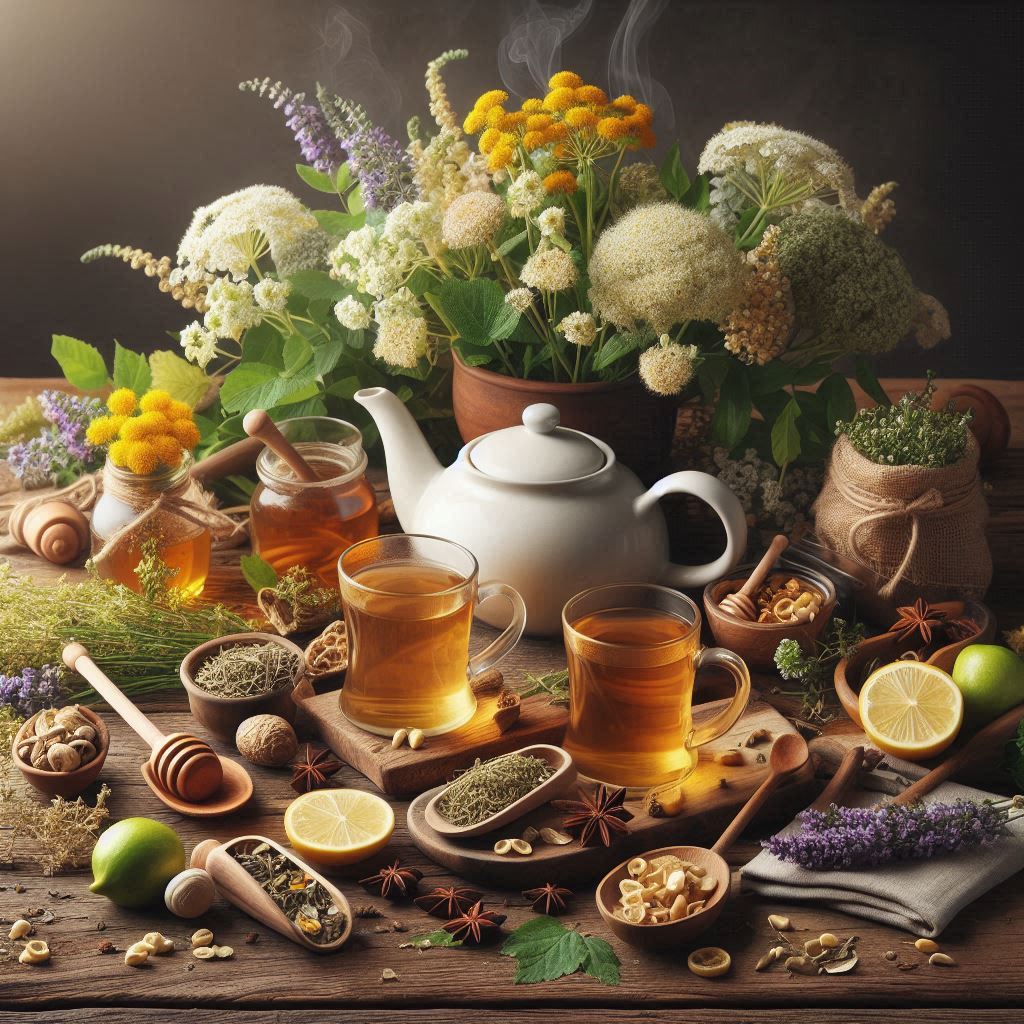
What Is a Bronchial Tea?
Like many Central European herbal teas, a bronchial tea is named after the part of the body its herbs are traditionally associated with. The name comes straight from the Slovak original made by Agrokarpaty, and it reflects the herbal tradition behind the blend.
What these teas have in common is their character. They combine aromatic herbs such as thyme with soft, mucilage-rich plants such as mallow and marshmallow, which give the tea a smooth, rounded, almost silky texture. It’s exactly the kind of warm, comforting drink people have reached for on cold evenings for generations.
The Herbs in Our Bronchial Tea
Our adult bronchial blend brings together seven herbs. Each has a story.
Cowslip (Primula veris)
Cowslip is one of the first flowers of spring, and its name reflects it: the Latin Primula means “little first one”, and the Slovak prvosienka comes from the word for “first”. In German-speaking folklore it’s the Schlüsselblume, or “key flower”. Legend says it sprang up where St Peter dropped the keys of heaven. In European folk herbalism, its honey-scented flowers were traditionally used in warm teas for the chest and airways, especially in winter.
Thyme (Thymus)
Thyme has been prized since antiquity. The ancient Greeks burned it as incense, and in medieval Europe it was a symbol of courage. It was traditionally one of the most important European herbs for the throat and chest, often taken as a warm tea sweetened with honey, and its warm, aromatic, slightly piney character makes it a classic of traditional bronchial blends.
Ribwort Plantain (Plantago lanceolata)
Ribwort plantain is so common beside paths and tracks that its old English name was “waybread”. It was one of the nine sacred herbs of the Anglo-Saxon Nine Herbs Charm. Its long, ribbed leaves were traditionally used in Central European herbal teas for the throat and chest, and they remain a staple of bronchial blends today.
Mallow and Marshmallow (Malva, Althaea officinalis)
These two relatives are naturally rich in mucilage, a soft, gel-like plant substance that gives infusions their smooth, coating texture. Marshmallow has a sweet claim to fame: the original marshmallow confectionery was made from the mucilage of its root. Both were traditionally used in warm drinks to soothe dry, scratchy throats, and they give the tea its soft, comforting texture.
Yarrow and Chamomile
Yarrow (Achillea millefolium) takes its botanical name from Achilles, who, according to legend, used it on the battlefield. Chamomile (Matricaria chamomilla) gets its name from the Greek chamaimelon, “earth apple”, after its apple-like scent. Together they round off the blend with a gentle, floral, slightly bitter note.
Our Bronchial and Winter Herbal Teas
| Tea | Key herbs | Best for | Character |
|---|---|---|---|
| Elixir Bronchial Herbal Tea | Cowslip, thyme, mallow, marshmallow, ribwort plantain, yarrow, chamomile | Adults | Soft, floral, warm and silky |
| Cyprian Bronchial Herbal Tea | The same 7-herb blend | Adults | Soft, floral, warm and silky |
| Bronchial Herbal Tea for Kids | Mallow, chamomile, elderflower, raspberry leaf | Children from 9 months | Mild, soft and gently floral |
| Elderflower & Linden Herbal Tea | Elderflower, lime blossom, meadowsweet, chamomile, raspberry leaf | Adults and over-16s | Delicate, floral and gently sweet |
| Wild Thyme Herbal Tea | Wild thyme, Moorish mallow, ribwort plantain | Adults | Warm, velvety, hot or iced |
Elixir Bronchial Herbal Tea
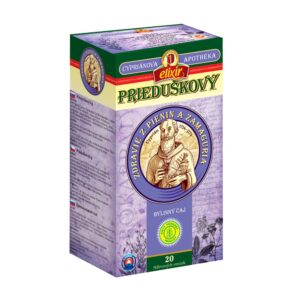
Our Elixir Bronchial Herbal Tea is a soft, floral infusion: sweet chamomile and honeyed cowslip meet the warm, piney notes of thyme and yarrow, rounded off by the silky character of mallow and marshmallow. The same blend is available in traditional Cyprian’s Apothecary packaging, named after Brother Cyprian, the 18th-century monk and herbalist of the Pieniny region.

Bronchial Herbal Tea for Kids
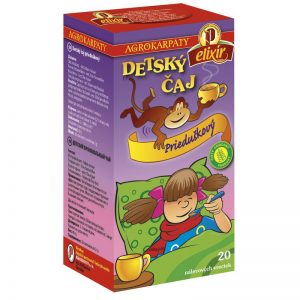
Children need a gentler blend, so our Bronchial Herbal Tea for Kids uses four mild herbs: mallow leaf, chamomile, elderflower and raspberry leaf. It’s mild, soft and gently floral, a taste most children accept easily.
Age guidance: the manufacturer recommends this tea for children from 9 months. NHS advice is that babies under 6 months should have only breast milk or first infant formula, so check with your health visitor or GP before giving any herbal tea to a child under 12 months. Always let it cool to a safe drinking temperature.

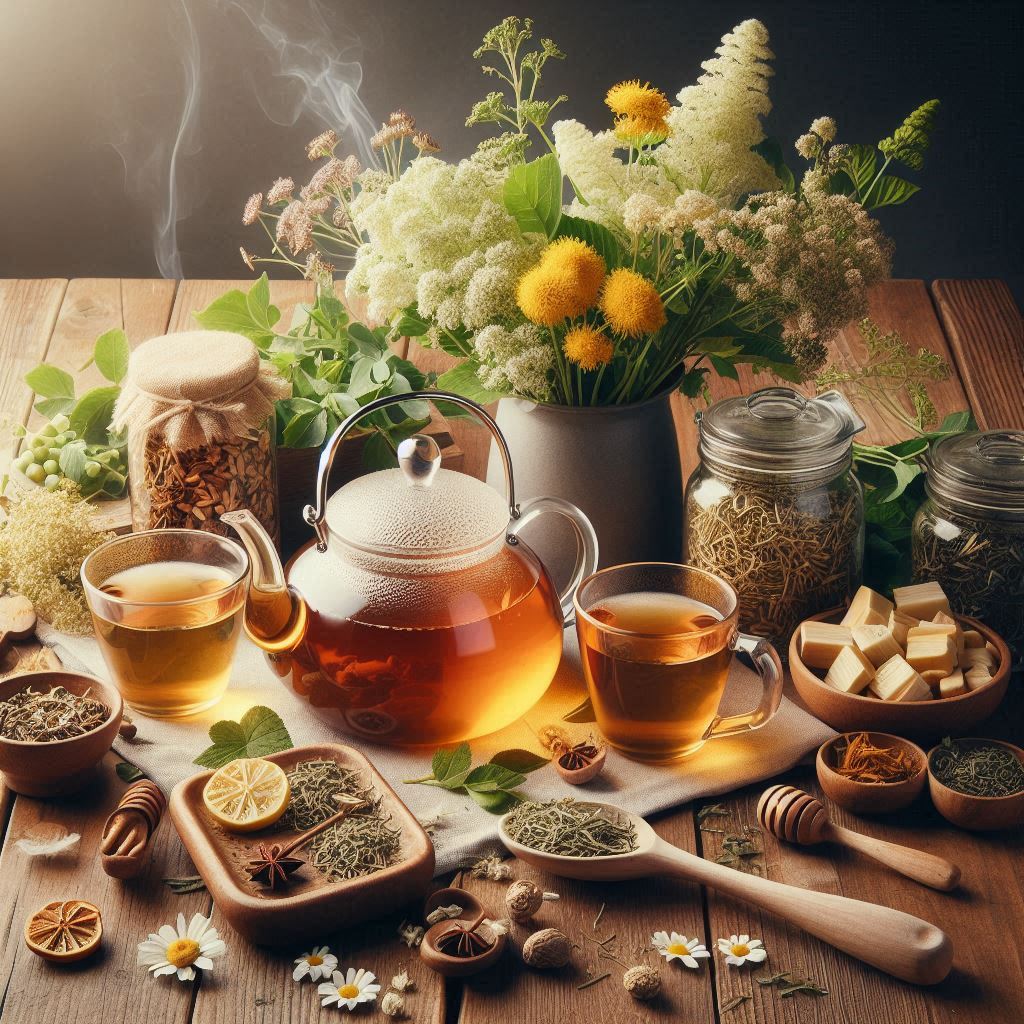
Elderflower & Linden: The Classic Winter Pairing
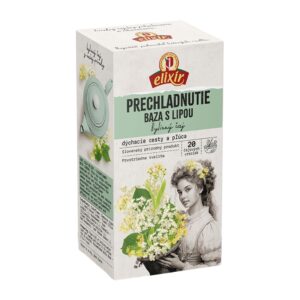
Elderflower and lime blossom are two of Europe’s great winter infusions. Both were traditionally drunk hot in Central European households when people felt chilled in winter, often last thing before bed, and both are steeped in folklore. The elder tree was once believed to be guarded by the “Elder Mother”, whose permission you had to ask before cutting it. The linden, or lime tree, is the national tree of Slovakia, and linden tea is a household classic across the country. Read more in our guide to linden and elderflower tea.
Our Elixir Elderflower & Linden Herbal Tea pairs them with meadowsweet, chamomile and raspberry leaf for a delicate, floral cup. There’s also a Cyprian’s Apothecary version that adds Moorish mallow for a softer texture.
More Warming Winter Herbs
- Elixir Wild Thyme Herbal Tea: wild thyme, Moorish mallow and ribwort plantain. Warm and velvety, and lovely iced too.
- Elixir Ginger Herbal Tea: warming ginger with hyssop, mallow, meadowsweet and plantain.
- Elixir Ribwort Plantain Herbal Tea: a pure single-herb tea with a mild, grassy flavour.
How to Enjoy Bronchial Herbal Teas
- Place one tea bag in a cup and pour over 200ml of freshly boiled water.
- Infuse for at least 10 minutes. Herbs like mallow and marshmallow need time to release their soft, silky character.
- Gently squeeze the tea bag before removing it.
- Let it cool slightly and drink it warm, not scalding hot.
- Stir in a little honey if you like. The manufacturer suggests enjoying a cup several times a day, with honey if desired.
Honey: never give honey to babies under 1 year old. For the children’s tea, always follow the age and preparation guidance on the pack, and cool it well before serving.
Who Should Take Care
- Allergies: yarrow and chamomile belong to the daisy family (Asteraceae).
- Pregnancy: yarrow is traditionally avoided during pregnancy.
- Medication: mallow and marshmallow are rich in mucilage, which can slow the absorption of medicines taken at the same time. Leave at least an hour between medication and a cup of tea.
- Aspirin sensitivity: the Elderflower & Linden and Ginger blends contain meadowsweet, which naturally contains salicylates (compounds related to aspirin). They are not suitable if you are sensitive to aspirin, take blood thinners, are under 16, or are pregnant or breastfeeding.
When to See a Doctor
A warm herbal tea is a comforting part of winter, but it isn’t a substitute for medical care. Following NHS advice, see a GP if you have:
- a cough that lasts more than 3 weeks
- a cough that is getting worse, or chest pain
- breathlessness, or you’re coughing up blood
- a high temperature that won’t come down, or you feel very unwell
Call 999 or go to A&E if someone is struggling to breathe, or if a baby or child is breathing very fast, making grunting noises, or their chest sucks in with each breath.
Frequently Asked Questions
What is a bronchial tea?
It’s the traditional Central European name, prieduškový čaj in Slovak, for herbal blends of plants such as thyme, cowslip, mallow and ribwort plantain. These herbs are traditionally associated with respiratory wellbeing and enjoyed during the colder months.
Is bronchial tea suitable for children?
Our adult blend isn’t designed for children. Choose our Bronchial Herbal Tea for Kids, which the manufacturer recommends from 9 months, and check with your health visitor or GP first for children under 12 months.
What’s the difference between the Elixir and Cyprian versions?
They contain the same seven-herb blend. Cyprian’s Apothecary is a line within the Elixir range with traditional packaging inspired by Brother Cyprian.
Can I add honey?
Yes. A little honey is a traditional addition, and the manufacturer suggests it. Never give honey to babies under 1 year old.
Are bronchial herbal teas caffeine-free?
Yes. All the herbs in our bronchial and winter blends are naturally caffeine-free.
How many cups a day can I drink?
Follow the guidance on the pack. The manufacturer suggests enjoying the adult bronchial tea several times a day during the colder months.
A Taste of a Slovak Winter
From honey-scented cowslip and fragrant thyme to the linden tree that stands as Slovakia’s national symbol, these teas carry centuries of Central European winter tradition in every cup. Brew a pot, add a spoonful of honey and enjoy a little warmth from the Tatras.
Related Reading
- The 5 Best Herbal Teas for Relaxation
- Slovakian Herbal Tea: From Mountain Meadow to Your Cup
- Linden and Elderflower Tea: Europe’s Classic Winter Infusions
- Kidney and Bladder Herbal Teas: A Guide to Traditional Urological Blends
- Detox Herbal Tea and Lymph Tea: The European Tradition of Spring Herbal Teas
This article describes the traditional uses, history and characteristics of herbs and is provided for general information only. Our products are herbal teas, not medicines, and are not intended to diagnose, treat, cure or prevent any disease or medical condition. Traditional use does not necessarily mean that a particular effect has been scientifically proven. If you are pregnant, breastfeeding, taking medication, have a medical condition, have known allergies, or are unsure whether a tea is suitable for you or your child, please speak to your doctor or pharmacist before consuming it.