
For generations, spring has been a time for herbal traditions across Central and Eastern Europe.
After the long winter, people traditionally turned to the first green plants of the season — particularly nettle, dandelion and other meadow herbs — and prepared fresh herbal infusions as part of the seasonal change.
This tradition is still reflected in Slovak herbal teas today.
At Dolche Botanicals, our Detox, Lymph and Spring herbal teas come from Agrokarpaty in Slovakia. Each has its own blend of traditional European herbs.
So what is behind the modern popularity of “detox tea”? And what do these traditional spring herbal blends actually contain?
Let’s take a look.
The Spring Tradition of Herbal Cleansing
In Central European herbal tradition, spring has long been associated with a fresh start.
After months of winter, the appearance of young nettles, dandelion leaves and other green meadow plants marked the beginning of a new season. These plants were gathered and prepared as foods, soups and herbal infusions.
This seasonal practice is sometimes described as a spring herbal cleanse or, in Slovakia, jarná očista — literally a spring cleansing.
The idea was not necessarily the modern concept of a commercial “detox programme”. It was part of a broader seasonal tradition: returning to fresh green plants after winter and making use of the herbs that became available in spring.
Nettle and dandelion are particularly important to this tradition.
Both are widespread European plants, both have a long history of use in traditional herbal practice, and both appear in several Slovak herbal blends.
What Does “Detox” Mean in Herbal Tea?
Today, the word detox is used in many different ways.
Some people use it to describe a short-term diet or juice programme. Others use it to describe herbal teas traditionally associated with digestion, urination or seasonal cleansing.
In our products, Detox is the name of a particular herbal blend produced by Agrokarpaty in Slovakia. It isn’t intended to suggest that the tea replaces the body’s own organs and natural processes.
Your liver, kidneys, digestive system and other organs already perform the body’s essential processes for handling and eliminating waste.
What makes the tea interesting is the traditional combination of European herbs inside it — and the history behind those herbs.
Elixir Detox Herbal Tea: Ten Traditional European Herbs
Our Elixir Detox Herbal Tea contains ten herbs:
- Elecampane
- Yarrow
- Elderflower
- Linden (lime blossom)
- Dandelion
- Dog rose
- Nettle
- Peppermint
- Pot marigold
- St John’s wort
This is a considerably more complex blend than a simple nettle or dandelion infusion.
The combination brings together bitter, aromatic, floral and gently sweet notes. Nettle and dandelion give the blend its characteristic green herbal foundation, while peppermint contributes a fresh finish.
Several of these plants have particularly long histories in European herbal practice.
Nettle
Stinging nettle (Urtica dioica) is one of Europe’s most familiar traditional herbs.
Young nettles have historically been gathered in spring and used in food and herbal preparations. Nettle leaves have a fresh, green character and are a particularly recognisable part of the Central European spring herbal tradition.
Dandelion
Dandelion (Taraxacum officinale) is another classic European spring plant.
The leaves and roots have both been used traditionally, with the leaves commonly appearing in spring herbal preparations. Dandelion has a distinctive slightly bitter flavour that gives many traditional herbal blends their characteristic taste.
Peppermint
Peppermint (Mentha × piperita) brings a completely different character to the blend.
Its naturally cooling, aromatic flavour balances the more earthy and bitter herbs and makes the finished infusion particularly refreshing.
St John’s Wort
St John’s wort (Hypericum perforatum) has a long history in European herbal practice and appears in a number of traditional herbal preparations.
However, it is also one of the herbs that requires the most caution because it can interact with numerous medicines.
If you take medication, speak to your doctor or pharmacist before consuming a tea containing St John’s wort.
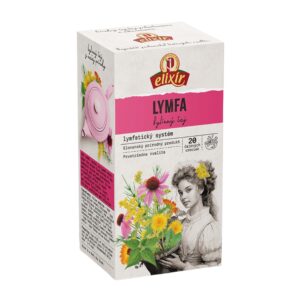
Elixir Lymph Herbal Tea: A Seven-Herb Blend
Our Elixir Lymph Herbal Tea takes a different approach.
It combines seven herbs:
- Lady’s bedstraw
- Echinacea root
- Pot marigold
- Burdock root
- Dandelion root
- Horsetail
- Nettle
The blend has a deeper, more earthy character than the Detox tea, with roots and green herbs providing much of its flavour.
The name Lymph comes from the traditional herbal context of the blend and the manufacturer’s product name. It is not a claim that drinking the tea treats a lymphatic disease or medical condition.
Several of the ingredients have their own long histories in European herbal practice.
Burdock Root
Burdock (Arctium lappa) is a familiar European plant whose root has traditionally been used in herbal preparations.
The root gives herbal blends a characteristic earthy flavour and is particularly associated with traditional spring and cleansing preparations.
Dandelion Root
Dandelion root has been used traditionally in European herbal preparations for generations. Unlike the leaves, which have a fresh and slightly bitter character, the root gives a deeper and more earthy flavour.
Nettle
Nettle appears here too, linking the Lymph blend with the wider Central European tradition of using green spring herbs.
Echinacea
Echinacea is a North American plant rather than a traditional European meadow herb, but it has become established in modern herbal preparations.
Echinacea isn’t suitable for everyone: people with autoimmune conditions or those taking immunosuppressant medicines should speak to a healthcare professional before using products containing it.
Elixir Spring Herbal Tea: Jarná Očista
Of the three blends, Elixir Spring Herbal Tea is perhaps the closest expression of the traditional spring idea.
Its Slovak name is Jarná očista, meaning “spring cleansing”.
The blend contains just four familiar plants:
- Stinging nettle
- Dandelion leaf
- Ribwort plantain
- Chicory
Compared with the ten-herb Detox blend, this is a much simpler combination.
The result is a fresh, green herbal tea with a gently bitter character — exactly the kind of flavour you might expect from young meadow plants.
For anyone interested in traditional European herbal culture, this is arguably one of the most interesting teas in the range because its name directly reflects the seasonal tradition behind it.
Why Nettle and Dandelion Keep Appearing
Look at the ingredients in traditional spring herbal blends and two plants appear again and again: nettle and dandelion.
That’s no coincidence.
Both are widespread throughout Europe, both appear early in the growing season, and both have long histories of traditional culinary and herbal use.
Nettle was traditionally gathered while young and could be cooked, dried or infused. Dandelion leaves were also gathered in spring, while the roots were used in different preparations.
Together, they have become almost symbolic of the Central European idea of welcoming spring with fresh green herbs.
How to Enjoy Detox, Lymph and Spring Herbal Tea
These teas can be enjoyed simply as part of your normal herbal-tea routine.
- Use one tea bag per cup.
- Pour over approximately 200–250ml of freshly boiled water.
- Cover and leave to infuse for around 10–15 minutes, unless the packaging gives different instructions.
- Enjoy warm, or allow the tea to cool and serve over ice.
- Follow the recommended serving instructions on the individual package.
The different blends have quite different flavours, so it is worth trying more than one.
Detox is the most complex, with ten herbs and a fresh peppermint finish.
Lymph is deeper and earthier, with roots, nettle and other traditional herbs.
Spring is the simplest and most distinctly green, centred around nettle and dandelion.
Are These Really “Detox” Teas?
The word “detox” deserves a little explanation.
Herbal traditions have used words such as cleansing, purifying and spring cleaning for centuries. Modern commercial wellness culture has given “detox” a much broader meaning, sometimes implying that a drink can remove unspecified “toxins” from the body.
That’s not how we use the word.
Detox is the name of the Agrokarpaty herbal blend. The appeal of the tea is its traditional combination of European herbs and the history behind that combination.
Your body already has its own sophisticated systems for processing and eliminating waste. Herbal tea should complement a healthy lifestyle rather than be presented as a replacement for normal nutrition, hydration, sleep or medical care.
Frequently Asked Questions
What is detox herbal tea?
Detox herbal tea is generally a herbal blend marketed around the traditional idea of cleansing or supporting the body’s normal processes.
Our Elixir Detox Herbal Tea is a specific Slovak herbal blend containing ten herbs, including nettle, dandelion, peppermint, yarrow, elderflower and St John’s wort.
What is a spring herbal cleanse?
A spring herbal cleanse is a traditional European practice associated with drinking or eating fresh green herbs when spring arrives.
In Slovakia, the expression jarná očista refers to this idea of spring cleansing. Nettle and dandelion are particularly closely associated with the tradition.
What is the difference between Detox, Lymph and Spring tea?
The three blends have different ingredients and flavours.
Detox contains ten herbs, including nettle, dandelion, peppermint, yarrow and St John’s wort.
Lymph contains seven herbs, including lady’s bedstraw, echinacea, burdock, dandelion root, horsetail and nettle.
Spring contains four herbs: nettle, dandelion leaf, ribwort plantain and chicory.
All three are naturally caffeine-free.
Are these herbal teas organic?
These three blends are not sold as certified organic. Some of our other teas are certified organic under the European organic certification system, including stinging nettle, pot marigold and sea buckthorn & rosehip.
Can I drink detox tea every day?
Follow the serving instructions provided on the individual product packaging rather than assuming that more is better.
Some herbs are intended for specific traditional uses and some can interact with medicines. If you take medication or have a medical condition, check with your doctor or pharmacist before using herbal products regularly.
Can detox tea help me lose weight?
These herbal teas are not weight-loss products.
They are naturally caffeine-free herbal infusions that can be enjoyed as part of a varied and balanced diet.
Who should avoid these herbal teas?
Particular care is needed if you:
- take prescription or over-the-counter medication;
- are pregnant or breastfeeding;
- have an autoimmune condition;
- have kidney or heart problems;
- take diuretics or lithium;
- have allergies to plants in the daisy family.
Detox contains St John’s wort, which can interact with numerous medicines.
Lymph contains echinacea, which may not be suitable for people with certain immune conditions or those taking immunosuppressant medication.
If you are unsure whether a particular tea is suitable for you, ask your doctor or pharmacist before drinking it.
A Taste of the Central European Spring
The modern word “detox” may be relatively new, but the idea of welcoming spring with fresh herbs is not.
From nettle and dandelion gathered in the spring countryside to today’s carefully prepared herbal blends, there is a direct thread connecting modern Slovakian herbal tea with an older European tradition.
Our Detox, Lymph and Spring teas offer three different interpretations of that tradition — all produced in Slovakia.
Whether you are interested in traditional European herbal practices, looking for naturally caffeine-free tea, or simply curious about the unusual combination of herbs in these blends, they offer an interesting taste of Slovakia’s herbal heritage.
- Lymphatic System
Elixir Lymph Herbal Tea – Lady’s Bedstraw, Burdock & Echinacea (20 Tea Bags, 40g)
£4.99 Add to basket
Related Reading
- The 5 Best Herbal Teas for Relaxation
- Slovakian Herbal Tea: From Mountain Meadow to Your Cup
- Kidney and Bladder Herbal Teas: A Guide to Traditional Urological Blends
- Bronchial Herbal Teas: Traditional Blends for the Colder Months
This article describes the traditional uses, history and characteristics of herbs and is provided for general information only. Our products are herbal teas, not medicines, and are not intended to diagnose, treat, cure or prevent any disease or medical condition. Traditional use does not necessarily mean that a particular effect has been scientifically proven. If you are pregnant, breastfeeding, taking medication, have a medical condition, have known allergies, or are unsure whether a tea is suitable for you or your child, please speak to your doctor or pharmacist before consuming it.