
In early summer, the villages of Slovakia smell of honey. For a few weeks in June and July the lime trees on the squares, the churchyards and the roadsides burst into flower, and the air hums with bees. Families have always gone out with baskets to pick the blossom, dry it in the shade and store it in jars for the winter. A few weeks earlier, the same families gathered the creamy flower heads of the elder from the hedgerows.
Come November, those two flowers become the classic pairing of the Central European winter: a hot cup of linden and elderflower tea, often sweetened with honey and drunk last thing at night.
In this guide we’ll explore the folklore of both trees, the other herbs that join them in our blends, how our linden and elderflower teas compare, and a few good ways to enjoy them.
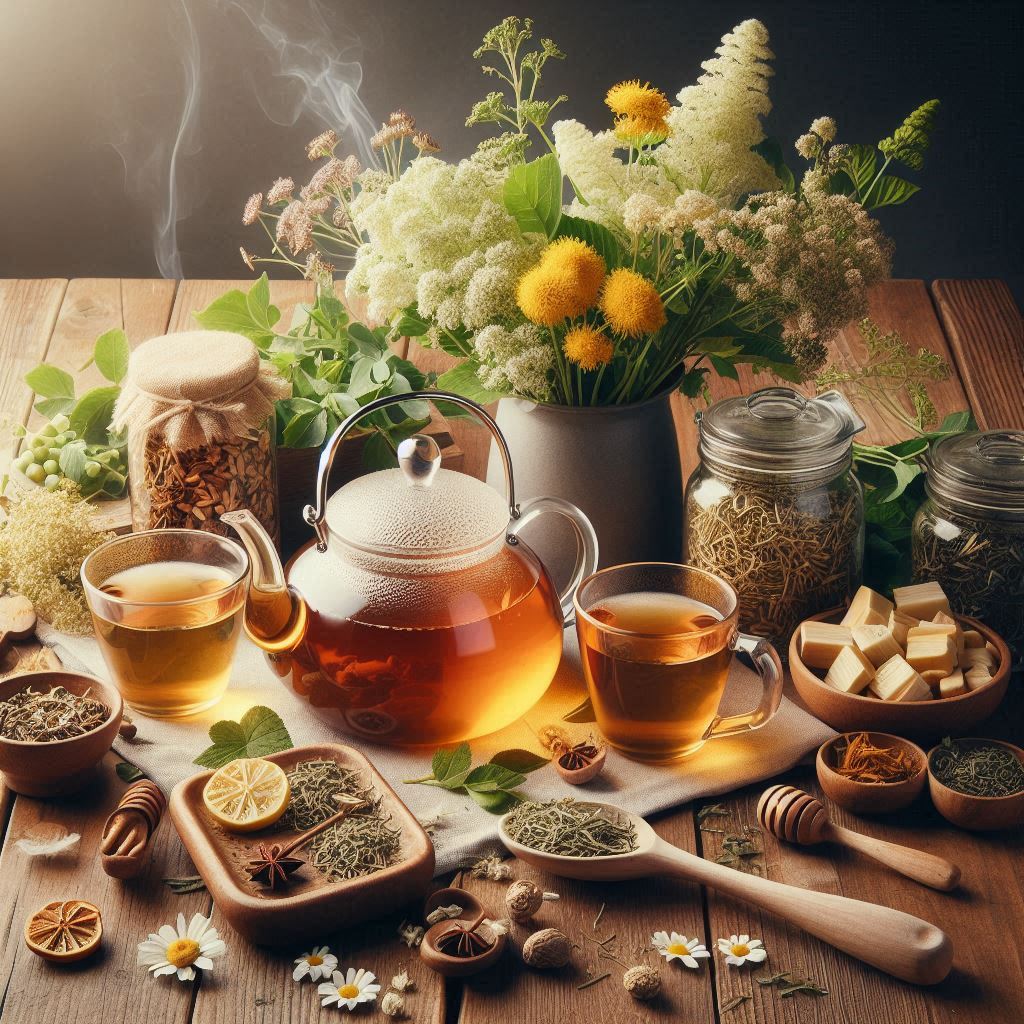
Linden: The Tree of the Slavs
Lime, linden or lipa?
The tree has three names. In Britain it’s the lime tree, although it has nothing to do with the citrus fruit. Across Europe and in herbal tradition it’s the linden. To Slovaks, Czechs and their Slavic neighbours it’s the lipa. Our teas use the small-leaved lime, Tilia cordata, whose little heart-shaped leaves give it its botanical name (cordata means “heart-shaped”).
A national symbol
Few trees carry as much meaning. The linden is regarded as the national tree of Slovakia and of the Czech Republic, and it has long been seen as a symbol of the Slavic peoples as a whole. Its heart-shaped leaf turns up in folk embroidery, on emblems and in poetry.
The word lipa is woven into the language and the map. Hundreds of Central European towns and villages carry it in their names. The German city of Leipzig takes its name from an old Slavic word for a place where lime trees grow. In Croatian, June is still called lipanj, the linden month, and until 2023 the smallest Croatian coin was called a lipa.
The tree in the middle of the village
In much of Central Europe the linden was the heart of village life. People met, married and danced under it. In German-speaking lands, courts were once held in the open air under the village “court linden” (Gerichtslinde). Many Slovak villages still have a centuries-old lipa by the church.
Linden blossom tea
The fragrant, pale-yellow flowers and the papery leaf-like bract that holds them are dried together for tea. Bees adore them, which is why linden honey is one of Europe’s most prized honeys, and the tea tastes like it smells: soft, floral and honeyed.
In Central European households, linden blossom was traditionally one of the first teas people reached for when the weather turned cold. It was drunk hot, often in the evening, as a warming and calming cup. In many Slovak homes it still is.
Elder: The Hedgerow Tree Full of Legends
The Elder Mother
The elder (Sambucus nigra) may be the most folklore-laden tree in Europe. In Danish and English legend, it was home to the Elder Mother, a spirit who guarded the tree. Anyone who wanted to cut its wood first had to ask her permission, or bad luck would follow. Elders were planted by cottage doors to keep evil away, and in many places it was considered unlucky to burn elder wood or to make a baby’s cradle from it.
Baza, the Slovak elder
In Slovakia the elder is called baza čierna, and in early summer households all over the country make bazový sirup, an elderflower syrup mixed with water or soda for a refreshing summer drink. It’s the Slovak cousin of British elderflower cordial and elderflower “champagne”. Traditionally, the flowers were also dried to keep for winter tea, when their soft, sweet, slightly musky flavour comes back into its own.
A winter tradition
Elderflower tea was traditionally drunk hot across Europe during the colder months, especially when people felt chilled. Paired with linden, it became one of the best-known winter infusions of Central European folk tradition: a comforting cup when you’re feeling under the weather.
The Other Herbs in Our Blends
Meadowsweet: the herb behind the name “aspirin”
Meadowsweet (Filipendula ulmaria) grows along riverbanks and damp meadows, with frothy, almond-scented flowers. It was once one of the favourite strewing herbs, scattered on floors to freshen rooms; tradition says Queen Elizabeth I liked it in her chambers.
It also has a remarkable place in the history of medicine. In the 19th century, chemists isolated salicylic compounds from meadowsweet, which was then classified as Spiraea ulmaria. When Bayer launched acetylsalicylic acid in 1899, it named the drug aspirin: “a” for acetyl and “spir” for Spiraea. That natural salicylate content is also why meadowsweet teas need a little care; see Who Should Take Care below.
Chamomile and raspberry leaf
Chamomile (Matricaria chamomilla) adds a mellow, apple-like softness; its name comes from the Greek for “earth apple”. Raspberry leaf (Rubus idaeus) gives the blend a mild, gently fruity body.
Our Linden and Elderflower Teas
| Tea | Herbs | Format | Character |
|---|---|---|---|
| Elixir Elderflower & Linden Herbal Tea | Elderflower, lime blossom, meadowsweet, chamomile, raspberry leaf | 20 tea bags | Delicate, floral, gently sweet |
| Cyprian Elderflower & Linden Herbal Tea | As above, plus Moorish mallow | 20 tea bags | Softer and silkier |
| Elixir Linden Tea | Lime blossom, meadowsweet | 20 tea bags or loose, 30g | Honeyed and floral |
| Bronchial Herbal Tea for Kids | Mallow, chamomile, elderflower, raspberry leaf | 20 tea bags | Mild; no meadowsweet |
Elixir Elderflower & Linden Herbal Tea
Our Elixir Elderflower & Linden Herbal Tea is the classic winter pairing: honey-scented lime blossom and sweet elderflower with chamomile, raspberry leaf and a light almond note from meadowsweet. It’s delicate and floral, with a hint of natural sweetness.
The Cyprian’s Apothecary version
The Cyprian Elderflower & Linden Herbal Tea adds Moorish mallow, a herb rich in soft mucilage, for a rounder, silkier cup. The Cyprian’s Apothecary line is named after Brother Cyprian (1724–1775), the monk and herbalist of the Red Monastery in Slovakia’s Pieniny region.
Linden Tea
If you love the flavour of lime blossom on its own, Elixir Linden Tea pairs it simply with meadowsweet, in tea bags or as a loose tea.
For children
Our adult blends contain meadowsweet, so they aren’t suitable for under-16s. For younger family members, the Bronchial Herbal Tea for Kids includes elderflower with mallow, chamomile and raspberry leaf, and the manufacturer recommends it from 9 months.
How to Brew the Perfect Cup
- Place one tea bag (or one teaspoon of loose tea) in a cup.
- Pour over 200ml of freshly boiled water.
- Cover the cup and infuse for around 15 minutes. Flowers like linden and elderflower are delicate, and covering the cup keeps their fragrance in.
- Gently squeeze the tea bag, or strain the loose tea, and enjoy warm.
Three ways to enjoy it
- The Slovak way: with a spoonful of honey (linden honey, if you can find it) and a slice of lemon, last thing in the evening.
- With apple and cinnamon: add a thin slice of apple and a cinnamon stick while it steeps for a cosy, spiced winter cup.
- Iced, in summer: brew double strength, sweeten lightly with honey while it’s warm, cool, then pour over ice with lemon slices and mint. It tastes a little like elderflower cordial.
Who Should Take Care
- Meadowsweet naturally contains salicylates, compounds related to aspirin. Our Elderflower & Linden and Linden teas are not suitable if you are allergic or sensitive to aspirin, take blood-thinning medication, are under 16, or are pregnant or breastfeeding.
- Chamomile belongs to the daisy family (Asteraceae), so take care if you’re allergic to those plants.
- If you take any regular medication, check with your pharmacist before adding a new herbal tea to your routine.
A warm cup is a lovely part of a winter evening, but it’s not a replacement for medical care. If you feel very unwell, have a high temperature that won’t come down, or your symptoms last or get worse, speak to a pharmacist, your GP or NHS 111.
Frequently Asked Questions
Is linden tea the same as lime flower tea?
Yes. Linden, lime flower and lime blossom tea are all names for the same tea, made from the flowers of the lime tree (Tilia). It has no connection with the citrus fruit.
What does linden and elderflower tea taste like?
Soft, floral and gently sweet. Linden brings a honeyed note, elderflower a fresh, slightly musky sweetness, and meadowsweet a light hint of almond.
Why is linden so important in Slovakia?
The linden, or lipa, is regarded as Slovakia’s national tree and a symbol of the Slavic peoples. It traditionally stood at the centre of village life, and linden blossom tea is a household classic across the country.
Can children drink it?
Our adult Elderflower & Linden and Linden teas contain meadowsweet and are not suitable for under-16s. For children, choose our Bronchial Herbal Tea for Kids, which contains elderflower without meadowsweet.
Is linden and elderflower tea caffeine-free?
Yes. All the herbs in our linden and elderflower blends are naturally caffeine-free, which makes them a popular choice for the evening.
When are linden and elder flowers harvested?
Elderflowers are picked in late spring and early summer, usually May and June. Linden flowers follow in June and July. Both are dried gently to keep their fragrance.
Bring a Slovak Winter Tradition Home
From the linden on the village square to the elder by the cottage door, these two trees have been part of European life for centuries. Brew a pot, add a spoonful of honey and enjoy a cup of one of Central Europe’s best-loved winter traditions.
- Throat & Chest
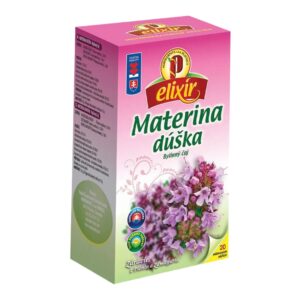
Elixir Wild Thyme Herbal Tea with Mallow & Plantain (20 Tea Bags, 40g)
£3.99 Add to basket

Related Reading
- Bronchial Herbal Teas: Traditional Blends for the Colder Months
- Slovakian Herbal Tea: From Mountain Meadow to Your Cup
- The 5 Best Herbal Teas for Relaxation
- Kidney and Bladder Herbal Teas: A Guide to Traditional Urological Blends
This article describes the traditional uses, history and characteristics of herbs and is provided for general information only. Our products are herbal teas, not medicines, and are not intended to diagnose, treat, cure or prevent any disease or medical condition. Traditional use does not necessarily mean that a particular effect has been scientifically proven. If you are pregnant, breastfeeding, taking medication, have a medical condition, have known allergies, or are unsure whether a tea is suitable for you or your child, please speak to your doctor or pharmacist before consuming it.