
Walk into almost any shop selling herbal teas in Slovakia or the Czech Republic and you’ll find a shelf of teas named not after a flavour, but after a part of the body. Among the most familiar is the urological tea, a blend of meadow and woodland herbs that Central European families have brewed for generations.
These kidney and bladder herbal teas are built around a handful of plants that are traditionally associated with urinary wellbeing in European herbal practice: birch leaf, goldenrod, horsetail and heather, often joined by lady’s bedstraw, knotgrass and rosehip.
In this guide, we’ll look at the herbs behind these blends, the stories and traditions that come with them, how our different urological teas compare, and how to enjoy them, as well as when it’s important to see a doctor.
Why Is It Called “Urological” Tea?
The name comes straight from the Slovak original. Our teas are made by Agrokarpaty in eastern Slovakia, where teas named after the body systems they are traditionally associated with, such as urological, bronchial and stomach teas, are a long-standing part of the country’s herbal culture.
The name reflects the herbal tradition behind the blend. For generations, Central European families have brewed teas like this as a gentle, everyday part of looking after themselves, alongside plenty of fluids and a healthy routine.
The Herbs Behind the Blend
What makes a traditional urological tea interesting is the combination of plants inside it. Each has its own history, and a few of them have surprisingly good stories.
Birch Leaf (Betula pendula)
The silver birch is one of the most familiar trees of Central and Northern Europe, easy to recognise by its white, papery bark. In Slovakia and across Eastern Europe, birch has long been part of the spring calendar: its sap was traditionally tapped as a fresh seasonal drink, and its young leaves were gathered and dried for herbal teas.
In European folk herbalism, birch leaf tea was traditionally drunk in spring to encourage the flow of water through the body, and it remains one of the classic herbs of urinary herbal traditions. It gives the blend a light, green, slightly astringent character.
Goldenrod (Solidago virgaurea)
European goldenrod brightens late-summer meadows with spikes of small yellow flowers. Its botanical name, Solidago, is usually traced to the Latin solidare, “to make whole”, a hint at how highly herbalists once regarded the plant.
Herbalists across Europe traditionally used goldenrod in teas for the kidneys and urinary tract, and it is still one of the best-known herbs of Central European urological blends. It features in both of ours.
Horsetail (Equisetum arvense)
Horsetail is a genuine living fossil. Its relatives were tree-sized giants in the swamp forests of hundreds of millions of years ago, and today’s modest, fern-like plant has changed remarkably little.
It is naturally rich in silica. That silica is so abrasive that horsetail was once used to scour pots and polish pewter, which earned it the old English name “pewterwort”. In herbal tea, horsetail was traditionally used in European folk herbalism to support the flow of urine, which is why it appears in so many traditional urological blends.
Heather (Calluna vulgaris)
Heather’s botanical name comes from the Greek kallunein, “to sweep” or “to beautify”. Bundles of heather were once used as brooms. The purple-flowered shrub covers heaths and moorland across Europe, and its flowering tops were traditionally brewed in Central European country households as a gentle tea for the bladder and urinary tract.
Lady’s Bedstraw (Galium verum)
Lady’s bedstraw earns its name honestly: its dried, honey-scented stems were once used to stuff mattresses. It was also traditionally used to curdle milk and colour cheese. In folk herbalism it was traditionally included in teas for the urinary tract, and in our blend it adds a soft, gently sweet note.
Knotgrass (Polygonum aviculare)
A humble plant of paths and field edges, knotgrass gets its botanical name from the Greek for “many knees”, after its jointed stems. Aviculare means “of small birds”, which love its seeds. Despite its modest looks, it has a long history in European herbal tradition as an ingredient of traditional urinary teas.
Rosehip (Rosa canina)
The fruit of the wild dog rose, traditionally gathered in autumn after the first frosts, adds a gentle, fruity tang that rounds off the blend.
Our Kidney and Bladder Herbal Teas
We offer several urological teas, so here’s how they compare.
| Tea | Herbs | Format | Character |
|---|---|---|---|
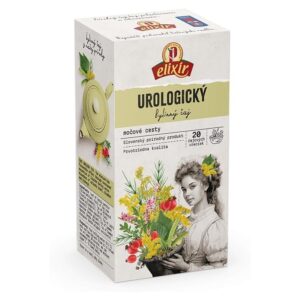
| Elixir Urological Herbal Tea | 7: birch leaf, lady’s bedstraw, horsetail, rosehip, knotgrass, heather, goldenrod | 20 tea bags | Mild, grassy, gently fruity |
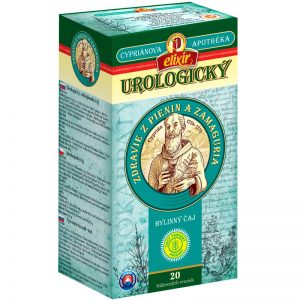
| Cyprian Urological Herbal Tea | The same 7-herb blend | 20 tea bags | Mild, grassy, gently fruity |
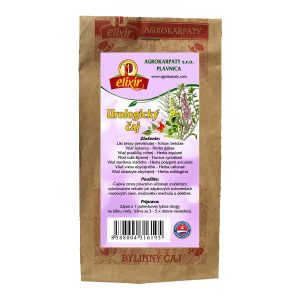
| Elixir Urological Loose Tea | The same 7-herb blend | Loose, 30g | Mild, grassy, gently fruity |
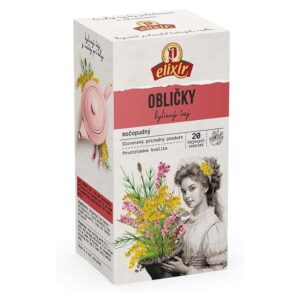
| Elixir Kidney Urological Herbal Tea | 3: goldenrod, horsetail, heather | 20 tea bags | Simpler, more herbal |
Elixir Urological Herbal Tea
Our Elixir Urological Herbal Tea is the classic seven-herb blend: a mild, grassy and gently astringent infusion with a light fruity note from rosehip and a floral hint of heather. You may also know it as Elixir Botanical Herbal Tea, the name it is sold under elsewhere.
The same blend comes in the traditional Cyprian’s Apothecary packaging, named after Brother Cyprian, the 18th-century monk and herbalist of the Pieniny region, and as a loose tea for those who prefer to brew by the spoonful.
Elixir Kidney Urological Herbal Tea
If you prefer a simpler, more concentrated herbal character, Elixir Kidney Urological Herbal Tea brings together just three herbs: goldenrod, horsetail and heather.
Single-Herb Teas
If you’d like to get to know one herb at a time, try our certified organic Stinging Nettle Herbal Tea or pure Horsetail Herbal Tea. Both have a long place in European herbal practice and are traditionally associated with urinary wellbeing.
How to Brew and Enjoy
- Place one tea bag in a cup.
- Pour over 200ml of freshly boiled water.
- Infuse for around 10 minutes, then gently squeeze the tea bag before removing it.
- The manufacturer suggests up to three cups a day. For the Kidney Urological tea, the pack suggests enjoying it before meals.
Traditionally, urological teas are drunk unsweetened, which lets the fresh, herbal character come through. A slice of lemon works well if you want a little brightness.
Herbal tea counts towards your daily fluid intake, and the NHS recommends drinking plenty of fluids through the day, particularly water.
Who Should Take Care
Several of these herbs have a traditional diuretic reputation, so these teas aren’t suitable for everyone:
- Don’t drink them if you have been advised to restrict your fluid intake, for example because of a heart or kidney condition.
- If you take diuretic medication or lithium, speak to your doctor first.
- They are not suitable during pregnancy or breastfeeding, or for children under 12.
- Goldenrod belongs to the daisy family, so avoid these teas if you are allergic to those plants.
- Avoid prolonged continuous use, and follow the serving suggestions on the pack.
When to See a Doctor
Herbal teas are a traditional part of a healthy routine, but they’re not a substitute for medical care. Following NHS advice, see a pharmacist or GP, or call NHS 111, if you notice:
- pain or a burning feeling when passing urine
- needing to pass urine more often or more urgently than usual
- cloudy, strong-smelling or bloody urine
- pain in your lower tummy, back or side
- a high temperature, shivering or feeling generally unwell
UTIs are common and often need treatment such as antibiotics, so it’s important to get them checked promptly.
Frequently Asked Questions
What is a urological tea?
It’s the traditional Central European name for a herbal blend of plants such as birch leaf, goldenrod, horsetail and heather, herbs traditionally associated with urinary wellbeing. In Slovakia, teas like this have been a household staple for generations.
Is Elixir Botanical Herbal Tea the same as Urological Tea?
Yes. Elixir Botanical Herbal Tea is another name for the same seven-herb Elixir Urological Herbal Tea.
What’s the difference between the Urological and Kidney teas?
The Urological tea has seven herbs, including birch leaf, lady’s bedstraw and rosehip, and has a softer, gently fruity character. The Kidney Urological tea has just three: goldenrod, horsetail and heather.
What’s the difference between the Elixir and Cyprian versions?
They contain the same blend. Cyprian’s Apothecary is a line within the Elixir range, with traditional packaging inspired by Brother Cyprian.
Can herbal tea treat a UTI?
No. UTIs often need treatment such as antibiotics, so if you think you have one, speak to a pharmacist or GP. Urological teas are traditionally enjoyed as part of an everyday routine rather than as a treatment.
How many cups a day can I drink?
Follow the guidance on the pack. For our urological teas, the manufacturer suggests up to three cups a day. Avoid prolonged continuous use.
Are these teas caffeine-free?
Yes. All the herbs in our kidney and bladder teas are naturally caffeine-free.
Discover Our Kidney and Bladder Herbal Teas
From the seven-herb Elixir Urological blend to the simpler Kidney tea and single herbs like organic nettle, these teas offer a taste of one of Central Europe’s most enduring herbal traditions.
- Kidney & Bladder Teas
Cyprian 7-herb infusion Herbal Tea – Birch, Goldenrod & Horsetail (20 Tea Bags, 40g)
£3.99 Add to basket - Kidney & Bladder Teas
Elixir Goldenrod, Horsetail & Heather Herbal Tea (20 Tea Bags, 40g)
£3.99 Add to basket
Related Reading
- The 5 Best Herbal Teas for Relaxation
- Slovakian Herbal Tea: From Mountain Meadow to Your Cup
- Detox Herbal Tea and Lymph Tea: The European Tradition of Spring Herbal Teas
- Bronchial Herbal Teas: Traditional Blends for the Colder Months
This article describes the traditional uses, history and characteristics of herbs and is provided for general information only. Our products are herbal teas, not medicines, and are not intended to diagnose, treat, cure or prevent any disease or medical condition. Traditional use does not necessarily mean that a particular effect has been scientifically proven. If you are pregnant, breastfeeding, taking medication, have a medical condition, have known allergies, or are unsure whether a tea is suitable for you or your child, please speak to your doctor or pharmacist before consuming it.